
Frontline workers and community groups call for reinstatement of low barrier DTES wound care clinic
Community inclusion and the decentralization of care is needed during dual toxic drug and housing public health crises.
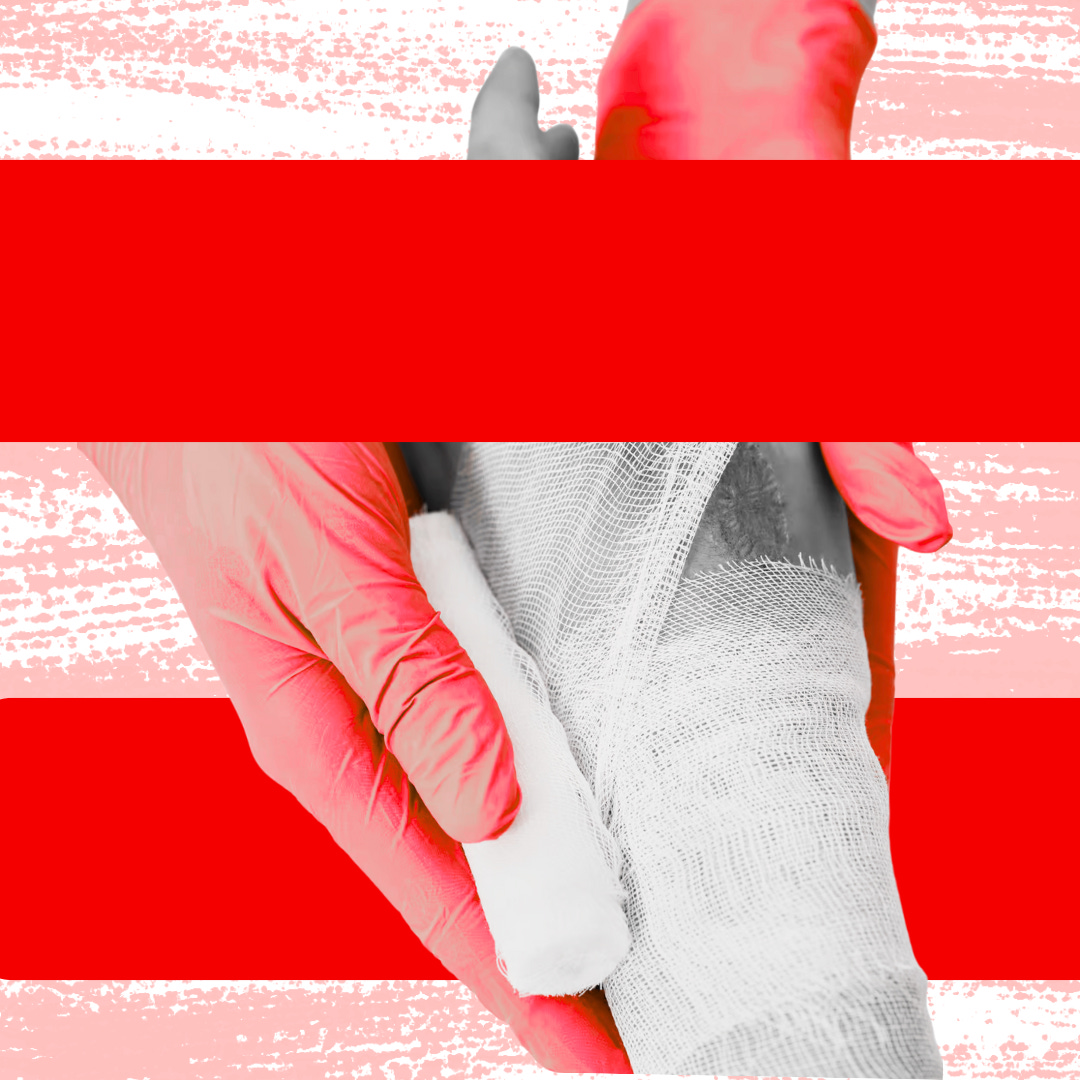
We are Downtown Eastside community members, clinicians, harm reduction workers, pre-hospital care providers, researchers and healthcare staff affiliated with the Harm Reduction Nurses Association (HRNA/AIIRM), BC Nurses United for Social Justice, Devils Club Street Medics, Care Not Cops, Police Oversight with Evidence & Research (P.O.W.E.R) and the Vancouver Area Network Of Drug Users (VANDU). We are reaching out to Vancouver Coastal Health (VCH) with a shared goal: to work in partnership to re-establish a dedicated, low barrier wound care clinic in the DTES to improve access to healthcare, prevent avoidable harms and support wellness for residents.
Members of our coalition support neighbours and clients every day with wounds, burns and soft-tissue infections that are often made chronic or complex by structural and social conditions. Limited access to drop-in wound care, homelessness, bans from harm reduction spaces, unsafe living conditions, racism and discrimination in healthcare, untreated pain, and the rising cost of supplies all contribute to delayed treatment and worsening infections.
A welcoming, sanitary and judgement-free clinic where people can receive wound prevention education, timely assessment and routine care is essential for maintaining mobility, preventing hospitalizations and reducing the need for emergency interventions—particularly in the context of a toxic drug supply and an ongoing housing crisis.
For these reasons, we are asking VCH to reopen and expand Providence Health Care’s previously successful Mend and Tend wound clinic, formerly located at the Evelyne Saller Centre. Mend and Tend demonstrated strong outcomes and community trust—things that are urgently needed today.
Our coalition is developing a detailed proposal and would welcome the opportunity to collaborate with VCH leadership on a shared plan for reinstating and strengthening low barrier wound-care services in the neighbourhood by the end of 2026. DTES community members, including members of P.O.W.E.R. and VANDU, groups endorsing this proposal, have shared with us that they experience difficulty and exclusion when trying to work collaboratively with the programs currently operating in the clinical space we propose to use. They have stated they would welcome the opportunity to support the creation of a more low barrier service.
Re-opening Mend and Tend on the DTES would not only address a pressing local need—it could also serve as a model for other regions. With appropriate evaluation and shared learning, similar clinics could be created across BC to address widespread gaps in wound-care access. Our proposal has the confirmed support of a peer-led research group (P.O.W.E.R.), who have much of the infrastructure in place to support a community-based evaluation of the clinic.
We respectfully request that VCH explore allocating the resources needed to re-open this proven, community-trusted model of care. We look forward to the opportunity to work together to strengthen access, equity, and health outcomes for DTES residents.
Our coalition is inviting VCH to collaborate, plan and evaluate. We ask our readers in VCH positions to help bring our proposal onto the agenda to better ensure that a low barrier wound care service be brought back as soon as possible.
