
FIFA policing and surge in demand will disrupt Vancouver’s drug supply
History tells us the toxic drug crisis will worsen under increased policing and abrupt changes in demand - setting a death trap for residents and unprepared visitors
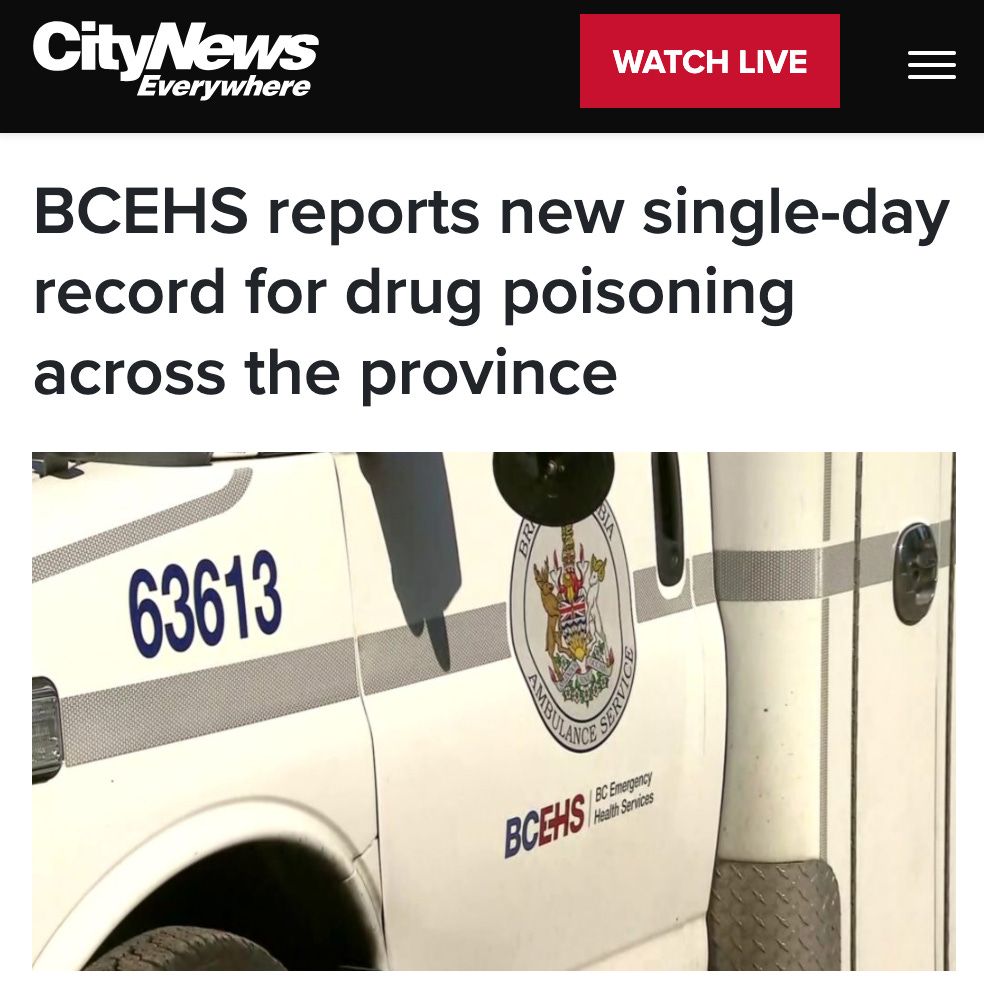
As British Columbia enters the tenth year of a public health emergency, the toxic drug supply crisis is not just persisting—its impacts and horror are intensifying in many ways.
A new, devastating chapter of the crisis has started in recent months. A growing presence of sedatives in the criminalized supply has changed the very nature of drug overdoses in Vancouver and across the province. Non-opioid sedatives, including medetomidine and various designer benzodiazepines, means that the people who survive opioid-related overdoses often endure periods of prolonged loss of consciousness.
The arrival of FIFA will bring an influx of visitors and the largest police deployment in the city’s history. The Vancouver Police Department told CTV News that roughly 800 police officers will be brought in from other jurisdictions. This combination—of heightened enforcement and a sudden increase in demand—will inevitably disrupt an already volatile criminalized drug trade. Evidence shows that these types of disruptions leave the drug supply even more unpredictable and dangerous in their wake. The consequences of this are not abstract, they will be reflected in lives lost.
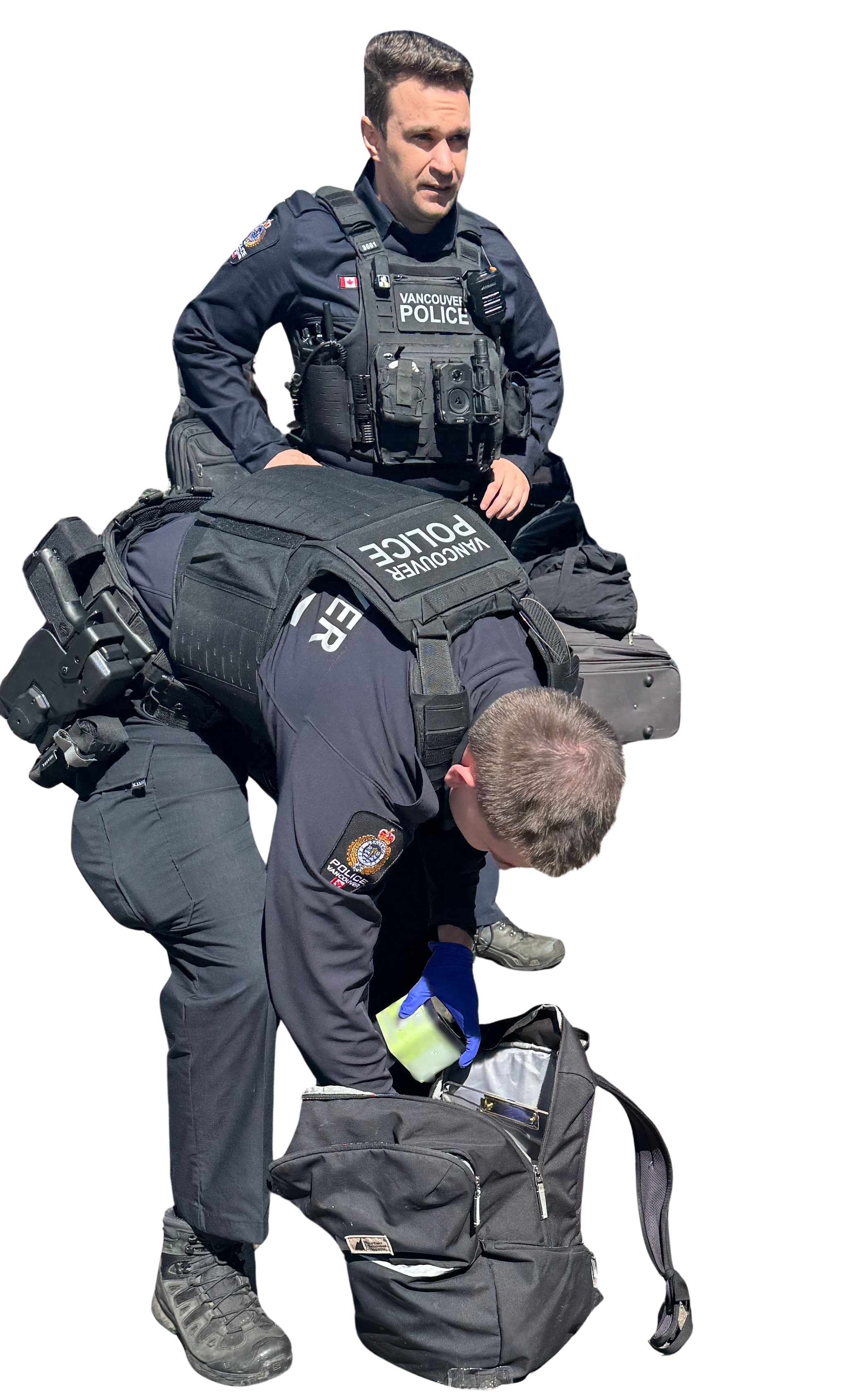
While residents and visitors alike face heightened risk of both fatal and non-fatal overdose, there has been no additional resources dedicated to overdose response or prevention in the city. In fact, death prevention services have been reduced, including the closure of the only supervised use site in the downtown core (outside of the hospital) earlier this year. Meanwhile, legal access to a regulated supply is essentially impossible.
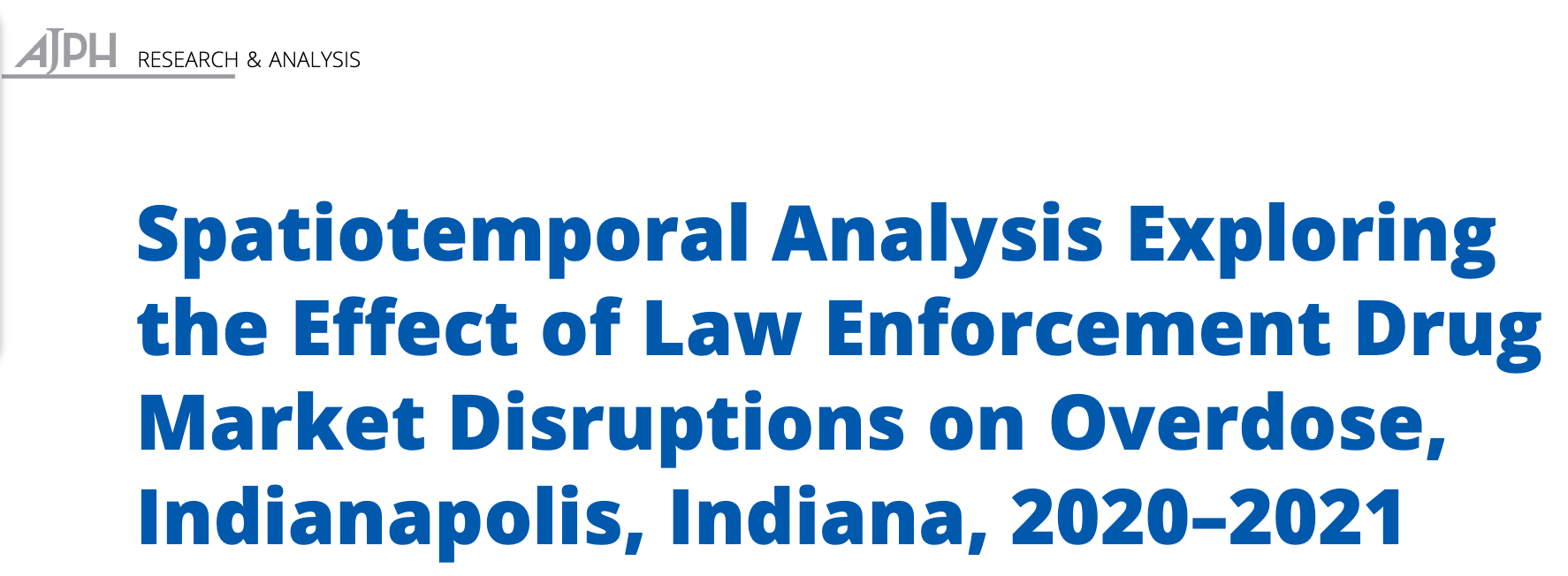
This is not a policy gap—it is a feature of neglecting to prepare despite clear and direct warnings.
In 2024, BC’s Auditor General characterized the province’s toxic drug crisis response as uncoordinated and inadequate. In 2025, BC’s Office of the Human Rights Commissioner took the stance that the province’s lack of emergency response is a violation of human rights. In 2023 and 2024, respectively, BC’s Chief Coroner-led expert Death Review Panel into the crisis and BC’s Office of the Public Health Officer recommended the provision of a predictable and regulated drug supply to urgently reduce deaths, including through community-run compassion club models.
DULF’s published research on its heroin and stimulant compassion club shows it has been the most effective singular intervention into BC’s toxic drug emergency to date. For that, the compassion club was raided and shut down by the VPD. DULF’s founders, Jeremy and Eris, are currently challenging criminal charges in court.
Hosting tourists without addressing these conditions means exposing more people to preventable danger, while putting residents at heightened risk of injury, social harm and death. The province and the city are not adequately prepared to ensure residents can survive the crisis, nevermind people visiting Vancouver. The city will be a death trap for unprepared visitors from regions with a less volatile drug supply.
The city and province could choose to scale up overdose prevention services, restore and expand harm reduction programming; and most important toward ending the crisis, allow our communities to ensure access to a regulated drug supply to slow the stem of death and violence. Vancouver was once lauded internationally for progressing away from drug war policies. But without these measures, Vancouver risks becoming a host city defined not by celebration, but by a crisis it has sanctioned.
Related
Harm from ‘Robbery Dope’ on the rise: Megaphone Magazine
Police seizure of drugs without arrest among people who use drugs in Vancouver, Canada, before ‘decriminalization:’ Harm Reduction Journal
It’s time for journalists to stop reporting uncritically on drug busts: The Bind


