
P.O.W.E.R. DISPATCH #8
Update on community-based reporting at P.O.W.E.R.
Dispatch #8 Calls
Many themes recently highlighted in P.O.W.E.R. dispatches have continued unabated.
The toxic drug crisis continues to shift and adapt under prohibitionist approaches to managing the drug trade. This continues to have major impacts on our communities (read about recent emergency calls to overdoses and drug poisonings here); spaces that provided respite from gendered violence continue to shutter (read our statement here); and large groups of police officers continue to harass one or two people at a time (see examples in Dispatch #4).
Rather than highlight new themes in today’s Dispatch, P.O.W.E.R. has the following two calls:
Healthcare, frontline workers and everyone else, please continue to send in photos or other evidence of police presence at harm reduction or health sites to power@vandu.org.
If you have access to a space outside the Downtown Eastside, and might be interested in hosting a P.O.W.E.R. law enforcement incident reporting drop-in during the coming months—get in touch!
Two new reports
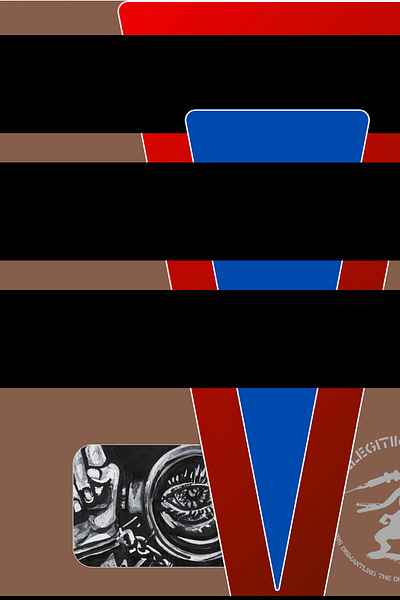
Coalition of Peers Dismantling the Drug War and P.O.W.E.R. put together a brief research report that explores trends and emerging findings from P.O.W.E.R.’s first 79 community incident reports, along with other review, analysis and recommendations. The report was made publicly available earlier today.
Download the report:
P.O.W.E.R. joined tenants, housing justice groups, drug user groups, and healthcare organizations to put together a “Know-Your-Rights” guide to tenancy rights in so-called “supportive housing” and single room occupancy buildings.
Download the guide:

Newsletter highlights
P.O.W.E.R. analyzed the city’s then-proposed 2026 half-a-billion dollar Vancouver police budget. More than 600 people signed up to speak to council about the budget – we estimate that at least 85 per cent of speakers stated their opposition to the proposal…But Vancouver’s cop city council voted to approve it anyway.
P.O.W.E.R. released a statement from Harm Reduction Nurses Association and Doctors for Safer Drug Policy on the continued campaign among healthcare workers to refuse the BC NDP and Daniel Vigo’s expansions of forced treatment of substance users. Healthcare workers can join the growing refusal campaign here.
P.O.W.E.R. in media
CBC News: Advocates gather against B.C. NDP’s involuntary treatment expansion
The Mainlander: BC NDP aims to side-step another legal challenge to broaden the criminalization of mental health, substance use
CTV News: Healthcare workers appeal to reopen wound care clinic in Downtown Eastside
Radio-Canada: Soins involontaires, 300 travailleurs de la santé refusent d’appliquer la loi
Vancity Lookout: What two votes tell us about competing priorities at city hall
The Mainlander: Premier Eby hazardously misrepresents Sublocade while endorsing forced treatment of youth
Drug Data Decoded: Court finds DULF guilty for compassion club “heralded as success”
Community activity
As gender-specific and sex worker drop-in and harm reduction sites continue to close across the city, P.O.W.E.R. organized a donation drive and distribution day offering essential winter survival gear, harm reduction supplies, women’s clothing, make-up, food, gift cards, and toiletries. P.O.W.E.R. was overwhelmed by the positive response we received from community, with many highlighting the significant gaps in material support left in the wake of these ongoing service closures. Keep an eye on P.O.W.E.R.’s Instagram for updates on future calls for donations and distribution events.
P.O.W.E.R. co-hosted a press conference alongside Canadian Students for Sensible Drug Policy Vancouver, members of the Disability Justice Network of B.C., Weaving Our Worlds, and Coalition of Peers Dismantling the Drug War against BC NDP expansions of involuntary treatment.
P.O.W.E.R. endorsed and consulted on a nurse and healthcare worker-led proposal to reinstate a defunded low-barrier wound care clinic in the DTES.
Two P.O.W.E.R. members presented at Gallery Gachet on Policing and Public Health in December.
P.O.W.E.R. members presented at the third annual Care Not Cops convergence. Members gave an overview of our work throughout the project’s first year of operation.
New research feat. P.O.W.E.R. members
Contemporary Drug Problems: “I Know So Many Women That Have the Same Story as Mine”: Exploring How the Increase of Benzodiazepines in the Unregulated Drug Supply Shapes Experiences of Gender-Based Violence Among Women and Gender Minorities in Vancouver
Harm Reduction Journal: What we need, not what we’re given: recommendations for action from young sex workers who use drugs
p.s. relevant readings on the end of BC’s decriminalization framework:
Union of BC Indian Chiefs: Deeply disappointed with B.C.’s decision to end decriminalization pilot and calls for return to a public health approach
Globe and Mail: B.C. First Nations groups say they were shut out of decision to end drug decriminalization pilot
Oak Bay News: ‘Policy kills’: Drug users advocacy group slams B.C. government reversal
First Nations Health Authority: Statement on BC decriminalization pilot project
(2025) BC Centre for Disease Control: Interactions with law enforcement: Harm Reduction Client Survey 2024
(2024) International Journal of Drug Policy: Decriminalization or police mission creep?
(2023) Crackdown Podcast: Some exceptions apply
(2022) Pivot Legal Society: Inadequate threshold quantities will put people who use drugs in harm’s way
(2021) Vancouver Area Network of Drug Users: The “Vancouver Model” of decriminalization will set a dangerous precedent for drug users
(2021) HIV Legal Network: Brief on drug decriminalization and international law
(2021) Coalition of Peers Dismantling the Drug War & Canadian Students for Sensible Drug Policy Vancouver: Drug decriminalization without youth is not decriminalization
(2020) Pivot Legal Society: ACT NOW! Decriminalizing drugs in Vancouver